Educating children to be curious about the world starts with what they see on a day-to-day basis. By exposing your children to other cultures, you’re granting them a head start on learning to appreciate people who may live, speak, or celebrate differently from them.
Source: https://www.pexels.com/photo/group-of-people-making-toast-3184183/
Incorporating Culture in Everyday Life
Celebrating diversity doesn’t stop with holidays, but can be woven into the daily moments that bring your home to life. Try to incorporate cultural festivals into your family’s calendar of annual events, then seek out simple ways to make them come to life. Perhaps you learn a greeting in a foreign language at breakfast, bake a traditional after-school snack, or sing a folk song before dinner or before bed. Small moments like these weave cultural understanding into the fabric of home life.
Learn By Real Connections
Human beings are the best narrators of their own heritage. If you do happen to possess friends, or even your neighbors, or extended family with differing heritage, ask them to share a small bit with your family. Perhaps a recipe, some vocabulary of their language, or childhood legends. These can arouse the sense of curiosity and build friendships, unique to all individuals. For those families with a bent towards being more structured, schools with varying curriculum options, say, an IB international school, can instil those values on a daily level.
Infuse Culture Into Your Home’s Personality
Bringing the world home in easy ways, you can drape artwork from other countries, cook with foreign music on, or label things you regularly use with labels written in other languages. These small details can keep the feeling of curiosity alive and expose your kids to feelings of connection to locations you will likely never travel to. Add global influences to your space without subtracting its comfortable familiarity or warmth.
Use Cuisine as a Bridge to Culture
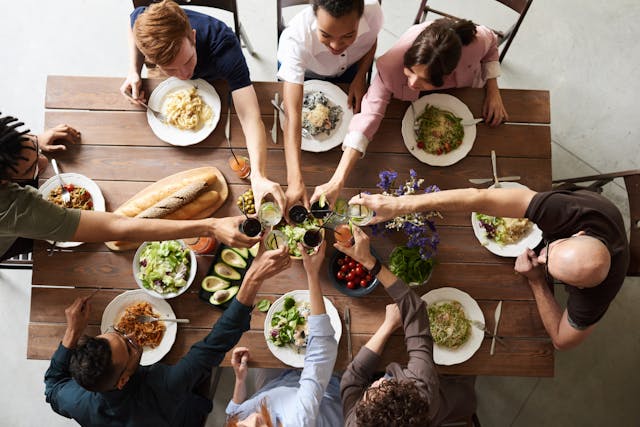
This dinner is between your family and somewhere else. Take turns, month by month, to select a country and prepare a dinner typical of its taste. Your kids will help you to get it ready or measure out the spice, mould the bread, or portion out food on the table. Discuss where the dinner comes from, how it is consumed, and the traditions behind it. The dinner table is no longer where you by happenstance end up for dinner, but where you share and learn.
Maintain the Conversation Going
Seeing cultural differences with your family at home is not a do-everything-all-at-once proposition. It is the ongoing conversation that grows with your children every single day. Foster questions, even if you don’t have the answers each time, and the readiness to learn alongside your kids. Share books, look at videos, and look for the ordinary moments within your day to put a story, sound, or taste back into the context of an earlier conversation about people. Your home is a place where difference is valued not as a lesson but as the way your family happens to be.