Raising kids is one part instinct and two parts intentionality. While their natural curiosity might fuel early exploration, true awareness and lasting confidence don’t just sprout from the soil; they need careful tending. Kids aren’t born knowing their worth, their strengths, or how to navigate challenges. But they can learn. And it starts earlier than we think.
Confidence and self-awareness are emotional tools. Tools that help kids cope with setbacks, communicate clearly, set boundaries, and bounce back when life inevitably knocks them sideways. Here’s how we can help them build that toolbox.
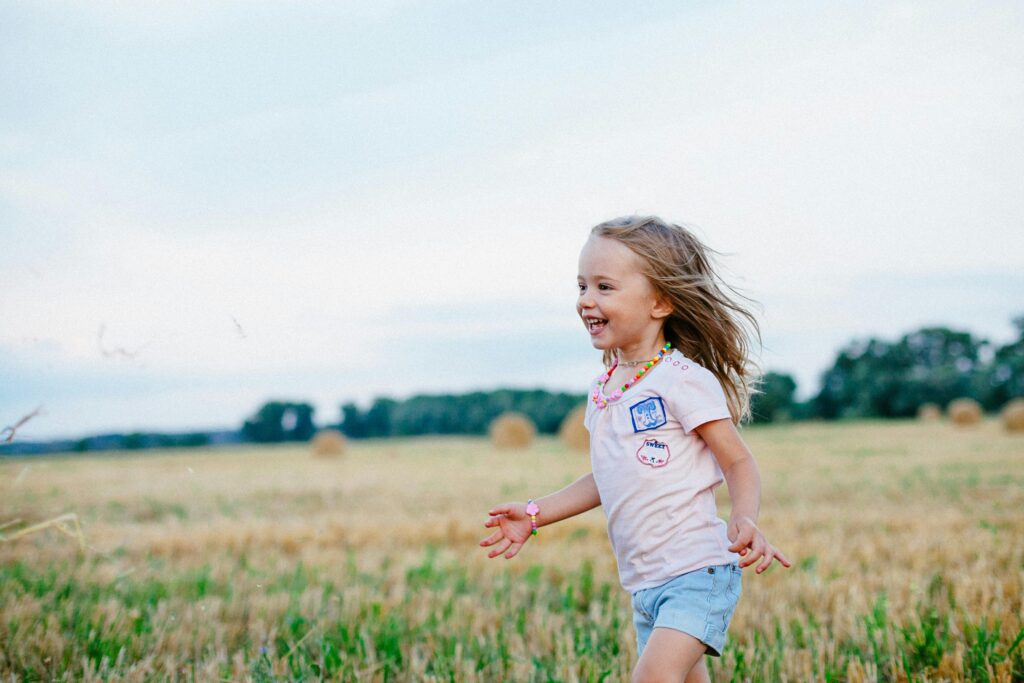
Via Pexels
Let Them Hear Their Own Voice (Literally and Figuratively)
Kids need opportunities to speak up and be heard, not just listened to. There’s a subtle but powerful difference. When we respond thoughtfully to a toddler’s wild story about their imaginary dragon or ask a five-year-old why they chose green over red, we’re sending a message: Your voice matters.
More importantly, we’re teaching them to trust that voice. Confidence begins where self-trust lives. When children feel like their opinions and thoughts have a place at the table—even if they’re wearing a superhero cape and holding a half-eaten crayon—they begin to internalize that they matter.
One practical habit? Ask more open-ended questions. Not just “Did you have fun?” but “What was the most interesting part of your day?” or “What made you laugh today?” Let them lead. Let them ramble. Let them surprise you.
Controlled Risk Is Gold
We live in a time of bubble wrap and hand sanitizer. And while safety is non-negotiable, overprotecting kids can accidentally rob them of crucial learning experiences. Controlled risk—climbing a tree or trying a new food—teaches kids what they’re capable of.
When they fall, they learn about limits. When they succeed, they learn about courage. Both outcomes build awareness in different ways.
One often overlooked benefit of allowing controlled risk is the development of decision-making skills. When children have space to test, try, and even fail a little, they start to build the internal compass needed for real confidence. They begin to understand why they do something, not just how.
Confidence Is Rooted
There’s a misconception that confident kids are always the ones with booming voices or those at the front of the school play. In reality, confidence wears many faces. Sometimes it’s a quiet kid who politely tells a peer, “I don’t like that.” Other times, it’s the child who can admit, “I’m scared to try this, but I’ll do it anyway.”
Awareness means understanding emotions, needs, and limitations. Confidence is acting in alignment with that understanding. Instead of rewarding only the obvious wins—trophies, medals, high grades—let’s start noticing the quiet victories. The moments where kids show integrity, empathy, and curiosity. Those are the bricks that build lasting self-belief.
Build Environments That Reflect Them
If a child walks into a room where nothing looks or feels like them, it’s hard to feel at home, let alone confident. Kids, especially in early years, need to see themselves mirrored in books, toys, media, and even the adults around them. Representation is a foundation.
Create spaces that say, “You belong here.” Celebrate cultural traditions, family stories, and personal preferences. Even small gestures, like letting them pick a song for the car ride or choose their outfit for the day, plant seeds of autonomy. And autonomy breeds both awareness and confidence.
This doesn’t mean a free-for-all. Kids also thrive with boundaries. But when the walls of their world reflect who they are, they begin to move through it with more ease.
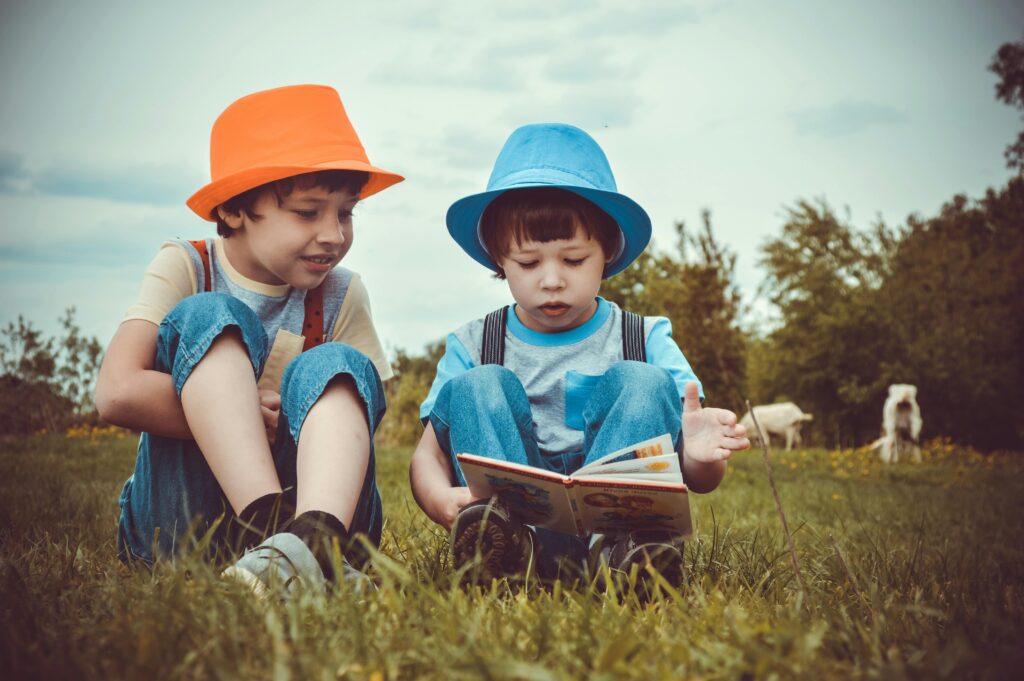
Via Pexels
Practice Failing Together
This one’s big.
How we, as adults, respond to failure has an enormous impact on how children will face setbacks. If a parent or teacher reacts to mistakes with shame or anxiety, kids learn to fear failure. If we model resilience, humor, and reflection, they learn to see failure as part of the process and not a reflection of their worth.
Try a “failure of the week” dinner conversation. Share something you messed up, what you learned, and how it helped you grow. Normalize it. Invite them to laugh about your burned toast or the time you wore mismatched socks to a meeting. This makes failure feel safe and part of a journey.
You’ll notice kids begin to open up about their own missteps, without fear of judgment. That’s a huge leap toward self-awareness. And it shows them that even when they fall short, they’re still whole, still lovable, still capable.
Let Learning Be Embodied
Confidence often comes from doing, not just thinking. This is why physical activities are so powerful for young children. They teach discipline, body awareness, perseverance, and even emotional regulation.
Swimming lessons, for example, help a child learn to trust their body in water, recognize danger, follow instructions, and build skill over time. Swimming is more than staying afloat for a child. It’s a full-bodied experience in risk, rhythm, and self-belief.
Kids don’t need to become elite athletes. But when they have regular access to activities where they can stretch their limits, their sense of self becomes more rooted. And the awareness of their physical strength often spills over into emotional and social strength.
Model What You Want Them to Mirror
Perhaps the most important strategy in this whole process: be the person you want your child to become.
Children absorb more from how we live than what we say. If they see you speak kindly to yourself, take ownership of your mistakes, ask thoughtful questions, and maintain healthy boundaries, they’ll copy that. Awareness is caught and confidence is echoed, not just instructed. Take care of your own voice. Make time for your own growth. Kids need present role models.
Time Is the Secret Ingredient
It won’t happen in a week. You won’t wake up to a self-assured seven-year-old just because you had a good month. Growth is messy. Confidence wavers. Awareness deepens slowly.
But with consistency, intention, and the willingness to let your child discover their own rhythm, you’ll see it happen. One day, they’ll speak up at the dinner table in a way that stuns you. They’ll notice someone else’s emotions and respond thoughtfully. They’ll try something new of their own accord because they have the confidence to, whether they fail or succeed. That’s the win.
Building awareness and confidence in kids from a young age helps build resilience for kids growing up in a tough world. Children who know who they are, what they value, and how to meet the world with both humility and courage. That type of foundation will last them a lifetime.